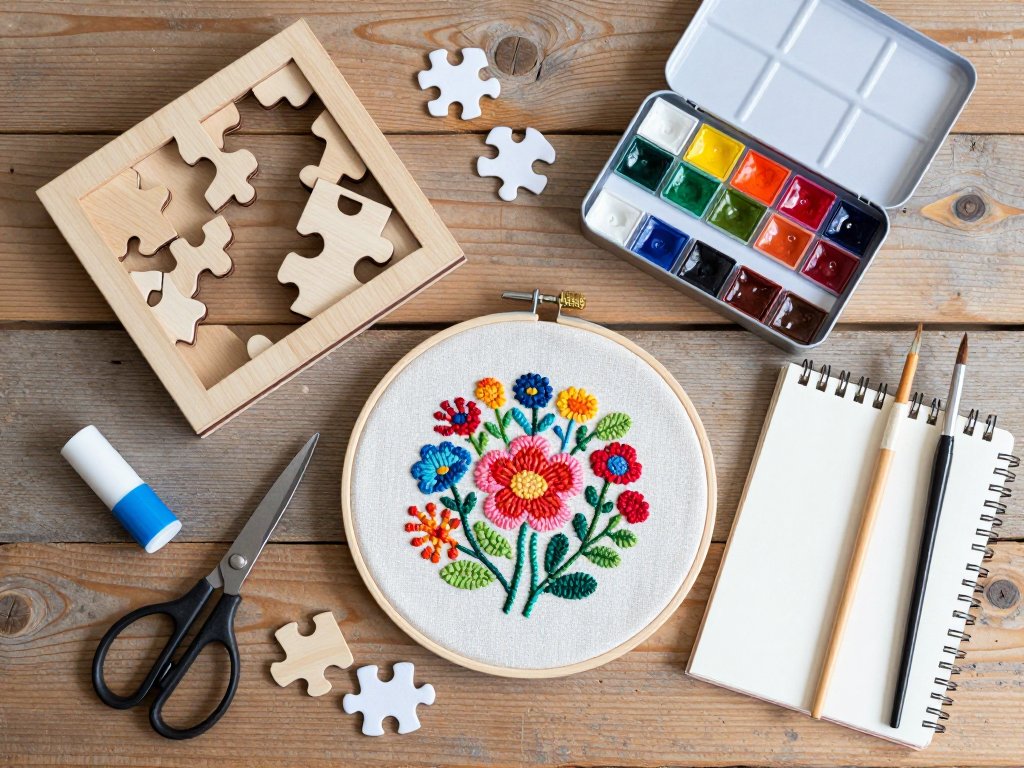
Introduction
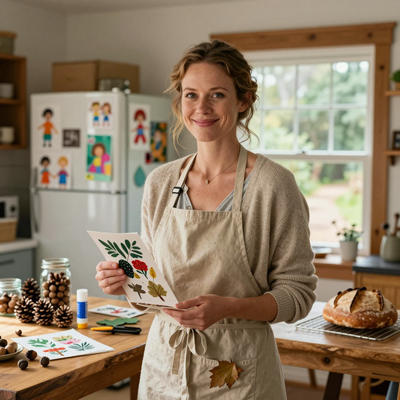
There's something uniquely heartwarming about giving a gift that sparks creativity. Whether it's for a birthday, holiday, or just because, a craft‑focused present says, "I see your passion, and I want to nurture it." For the craft‑obsessed in your life—especially those who adore what we affectionately call "grandma hobbies"—the right gift can open doors to hours of relaxed, satisfying making.
But with so many options, where do you start? How do you pick a gift that’s both thoughtful and practical, something a beginner can enjoy without feeling overwhelmed, yet a seasoned crafter will still appreciate? This guide walks you through three standout categories: puzzles, needlepoint, and watercolor paints. Each section includes specific recommendations, price ranges, and tips for matching the gift to the recipient’s style. Let’s dive in.
1. Puzzles: Mindful Making for Every Skill Level
Puzzles have evolved far beyond the cardboard childhood versions. Today’s puzzle offerings are works of art in their own right—hand‑cut wooden puzzles, custom photo puzzles, and even 3D architectural puzzles that become display pieces. They’re perfect for crafters who enjoy a meditative, hands‑on activity that doesn’t require a lot of setup or cleanup.
Why Puzzles Make a Great Craft Gift
- Cognitive benefits: Working a puzzle engages spatial reasoning, pattern recognition, and problem‑solving—all while providing a calming, screen‑free break.
- Social or solo: Puzzles can be a cozy solo project or a relaxed group activity, making them versatile for different personalities.
- Display‑worthy results: Many modern puzzles are designed to be glued and framed, turning the effort into permanent wall art.
- Stress relief: The focused attention required to match pieces helps quiet mental chatter, making puzzles a therapeutic escape.
What to Look for in a Puzzle Gift
Material: Wooden puzzles (often laser‑cut) feel luxurious and are more durable than cardboard. They also tend to have unique, whimsical piece shapes. Cardboard puzzles are more affordable and come in a wider variety of images.
Piece count: For a beginner, 300–500 pieces is a sweet spot. Experienced puzzlers may enjoy 1000+ pieces. Always check the finished dimensions—some 1000‑piece puzzles are quite large and require a dedicated table.
Image selection: Choose an image that resonates with the recipient’s interests: landscapes, animals, famous art, or even a custom photo of their pet or family.
Special features: Look for puzzles with "whimsy pieces" (shapes like cats, keys, or leaves) hidden in the design, or puzzles that glow in the dark, have textured surfaces, or are double-sided.
How to Choose the Right Puzzle for Your Friend
Consider the recipient's personality: do they enjoy a challenge, or prefer a relaxing, low-pressure activity? For competitive types, a timed puzzle race might be fun; for those seeking calm, a serene landscape with large color fields works well.
If you're gifting a puzzle to someone with limited space, consider a smaller piece count or a puzzle that comes with its own roll‑up mat for easy storage.
Price Range & Where to Buy
Wooden puzzles typically range from $25–$60, with custom options going higher. High‑quality cardboard puzzles can be found for $15–$30. Look at specialty retailers like Liberty Puzzles, Artifact Puzzles, or Ravensburger. For custom photo puzzles, services like Shutterfly or PuzzleYou offer easy online ordering.
Check local independent toy stores or bookshops—they often carry unique, artist‑designed puzzles you won't find in big‑box retailers.
2. Needlepoint Kits: Portable, Therapeutic Stitching
Needlepoint—the art of stitching yarn through a stiff canvas—is one of those "grandma hobbies" that has seen a huge resurgence among younger crafters. It’s portable, forgiving, and produces stunning textured results. A needlepoint kit is an ideal gift because it contains everything needed to complete a project: pre‑printed canvas, yarn (often wool or acrylic), a needle, and instructions.
Why Needlepoint Kits Are a Hit
- All‑in‑one convenience: No guesswork about materials or colors; the kit ensures a cohesive result.
- Therapeutic rhythm: The repetitive motion of stitching is known to reduce stress and promote mindfulness.
- Functional outcomes: Finished pieces can be turned into pillows, wall hangings, tote bags, or even holiday ornaments.
- Portable project: A small canvas fits in a purse or tote, making it perfect for waiting rooms, travel, or quiet evenings.
Choosing the Right Needlepoint Kit
Design complexity: Beginners should look for kits with larger areas of solid color and simple geometric patterns. More advanced stitchers might enjoy intricate florals, animals, or landscapes.
Canvas size: Small canvases (under 8″×8″) are great for first‑timers; larger canvases (12″×12″ or more) become a more substantial project.
Included materials: Check that the kit includes a needle (usually a tapestry needle with a blunt tip) and enough yarn to complete the design—some budget kits skimp on yarn.
Canvas type: Mono canvas (single horizontal and vertical threads) is easier for beginners; interlock canvas (woven) is more durable for items like purses or chair seats.
Needlepoint Stitching Techniques for Beginners
The basic stitch in needlepoint is the tent stitch (also called half cross stitch), which creates a smooth, diagonal coverage. With a kit, you'll typically follow the printed pattern, stitching each color block one at a time. Here are a few tips:
- Start in the center of the canvas and work outward to keep the design centered.
- Keep your stitches uniform in tension—not too tight, not too loose.
- If you make a mistake, it's easy to pull out a few stitches and redo them.
Price Range & Where to Buy
Needlepoint kits range from about $15 for a simple ornament kit to $50–$80 for larger, designer‑quality canvases with premium wool. Brands like Erica Wilson, Painted Pony, and Needlepoint.com offer reliable kits. Many independent designers on Etsy also sell unique, modern patterns.
If you're shopping in person, craft stores like Michaels or Joann often have a selection of kits, and staff can help you pick a suitable one for a beginner.
3. Watercolor Paints: Unleash Inner Artists
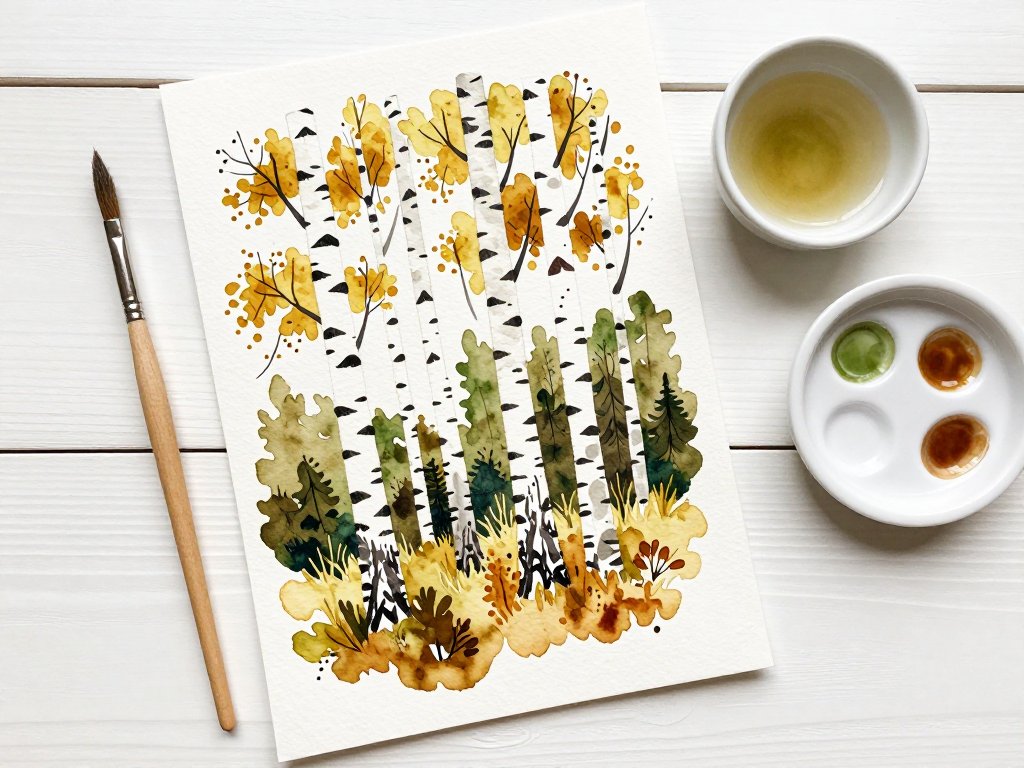
Watercolor painting is another classic "grandma hobby" that’s incredibly accessible and endlessly creative. Unlike oils or acrylics, watercolors are relatively clean, dry quickly, and can be used in small spaces. A well‑chosen watercolor set can inspire years of exploration.
Why Watercolor Paints Are a Perfect Gift
- Low barrier to entry: Even a basic set of paints, a few brushes, and paper can produce beautiful results.
- Portable and compact: Travel‑friendly pans or tubes make it easy to paint anywhere.
- Versatile techniques: From loose, expressive washes to detailed botanical illustrations, watercolor adapts to many styles.
- Forgiving medium: Mistakes can be lifted with a damp brush, encouraging experimentation.
Selecting a Watercolor Set
Paint format: Pans (solid cakes) are convenient for on‑the‑go painting; tubes offer more vibrant, mixable color and are preferred by serious artists. For a gift, a set with both might be ideal.
Color selection: A 12‑color set is ample for beginners. Look for sets that include a basic palette: primary colors, earth tones, and a good black.
Quality matters: Student‑grade paints (like Cotman by Winsor & Newton) are affordable and perform well. Artist‑grade paints (like Daniel Smith or M. Graham) have richer pigmentation and are a luxurious upgrade.
Essential Accessories
Don’t forget the extras: a watercolor paper pad (140‑lb cold‑press is a standard starting point), a few synthetic or natural‑hair brushes (sizes 2, 6, and 12 cover most needs), a palette for mixing, and a water container.
Watercolor Techniques for Beginners
Start with a simple wash: wet the paper, then load your brush with diluted paint and sweep across the surface. Practice flat washes, graded washes (light to dark), and wet‑on‑wet blending. As confidence grows, try dry‑brush details and lifting.
If the recipient is a complete novice, consider adding a beginner's watercolor book or an online course voucher to the gift.
Safety Tips
Watercolors are generally non‑toxic, but remind the recipient to avoid ingesting paint or using food surfaces as palettes. Clean brushes thoroughly after each session to prolong their life.
Price Range & Where to Buy
Student‑grade sets start around $15–$30; artist‑grade sets can range from $50 to over $200. Reliable brands include Winsor & Newton, Schmincke, Daniel Smith, and Sennelier. Art‑supply stores like Blick Art Materials or Michaels carry a wide selection.
Online marketplaces such as Amazon often have discounted sets, but read reviews to ensure you're getting genuine products.
4. Beyond the Big Three: More Craft Gift Ideas
If puzzles, needlepoint, and watercolors don’t quite fit, consider these additional crowd‑pleasers:
- Craft subscription boxes: Services like Let’s Make Art or KiwiCo deliver a new project each month, taking the guesswork out of gift‑giving.
- DIY candle‑making kits: A fun, sensory‑rich activity that yields a useful product.
- Embroidery starter sets: Similar to needlepoint but with more stitch variety and often softer fabrics.
- Pottery‑at‑home kits: Air‑dry clay or polymer clay sets allow for sculpting without a kiln.
- Macramé kits: Knot‑tying projects that create stunning wall hangings or plant holders.
- Beading and jewelry‑making kits: Great for those who love wearable art.
The key is to match the gift to the recipient’s existing interests and available time. A busy parent might appreciate a quick, satisfying puzzle; someone seeking mindfulness might love the rhythmic stitch of needlepoint; an aspiring artist will treasure a quality watercolor set.
5. Gift‑Wrapping Ideas for Crafty Gifts
Make the presentation as special as the gift itself. Instead of generic wrapping paper, try these craft‑themed ideas:
- Wrap the gift in brown kraft paper and let the recipient decorate it themselves with stamps, markers, or watercolor splashes.
- Use fabric scraps or a vintage scarf as Japanese‑style furoshiki wrapping (zero waste).
- Create a handmade gift tag using watercolor paper and a simple painted motif that matches the gift inside.
- Top the package with a small craft supply—a few colorful skeins of embroidery floss, a miniature puzzle piece, or a tiny paintbrush tied with ribbon.
6. Personalization Tips
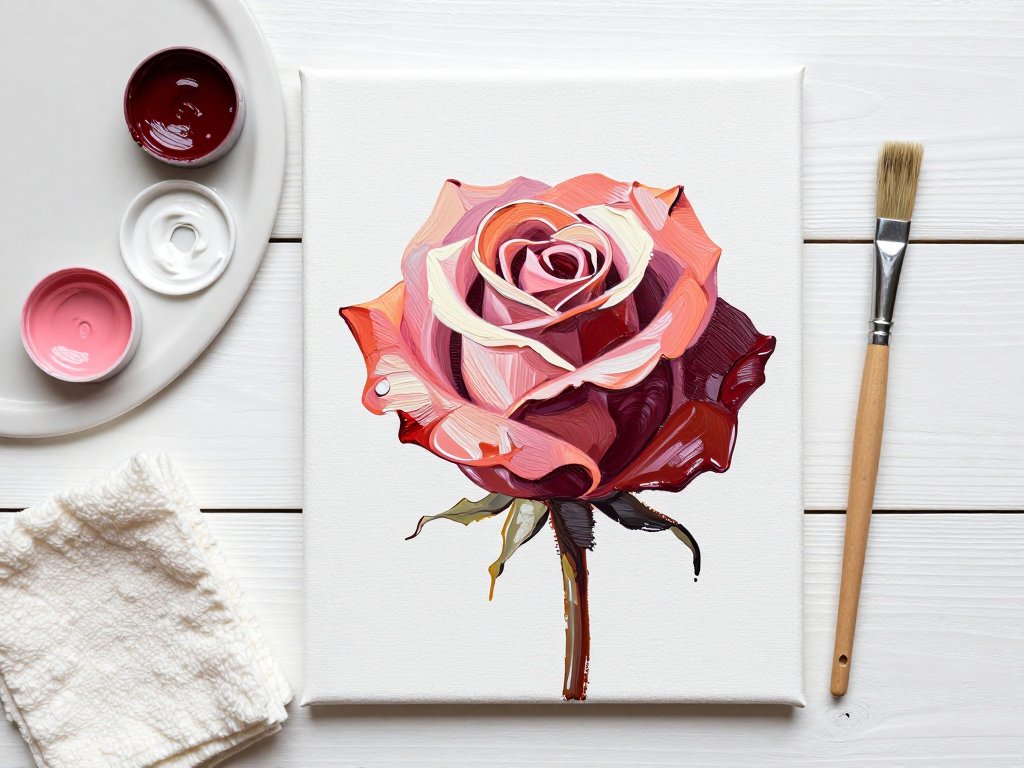
Adding a personal touch shows extra thought. For puzzles, you could include a note with a suggested "puzzle date" where you work on it together. For needlepoint kits, thread the needle with the first color and tie a bow—this small gesture signals that the project is ready to start. With watercolor sets, include a blank card where you've painted a simple wash or a single flower, signing it with a heartfelt message.
If you know the recipient's favorite colors or themes, seek out designs that reflect them. A love of birds? Choose a puzzle with a vibrant bird illustration or a needlepoint canvas of a hummingbird. A fan of the ocean? Pick watercolor paints that include deep blues and turquoises.
7. Budget‑Friendly Approaches
You don't need to spend a fortune to give a meaningful craft gift. Consider these cost‑conscious strategies:
- Shop secondhand: Thrift stores and online marketplaces often have unopened puzzles, barely‑used craft kits, and quality art supplies at a fraction of retail.
- Combine small items: A few sheets of specialty paper, a single high‑quality brush, and a small set of artist‑grade paints can feel more luxurious than a big box of cheap supplies.
- Focus on the presentation: A simple sketchpad wrapped with care and a handwritten note can be just as touching as an expensive kit.
- Pool resources: If the gift is for a close friend or family member, team up with others to afford a higher‑end item, like a custom puzzle or a designer needlepoint canvas.
8. Troubleshooting Common Craft Gift Concerns
"I'm not sure if they already have this."
Pick something consumable (like a set of watercolor paper or a new color of yarn) or a design so unique it's unlikely to be duplicated. If in doubt, include a gift receipt.
"They might feel overwhelmed by a big project."
Choose a kit labeled "beginner" or "starter," and emphasize in your note that there's no pressure to finish quickly—the joy is in the process.
"What if they don't like the colors/design?"
Select neutral or classic patterns (geometric shapes, landscapes, florals) that have broad appeal. When possible, let the recipient exchange the item.
Conclusion
Gift‑giving is an act of love, and when you choose a craft‑focused gift, you’re giving more than an object—you’re giving an experience, a new skill, and the quiet joy of making. Whether you opt for a wooden puzzle, a needlepoint kit, or a set of watercolor paints, your thoughtfulness will be remembered every time the recipient sits down to create.
Start with one of the recommendations above, or use them as inspiration to tailor a gift that’s uniquely suited to your special crafter. And remember: the best gift is one that says, "I see you, and I celebrate what you love."