Introduction
You know that feeling when you sit down with a project you've been meaning to start for months, and the moment your hands touch the materials, something in your chest just… exhales?
That quiet satisfaction of making something with your own two hands, of watching fabric take shape or paint find its home on a page — it's one of life's simplest, truest pleasures.
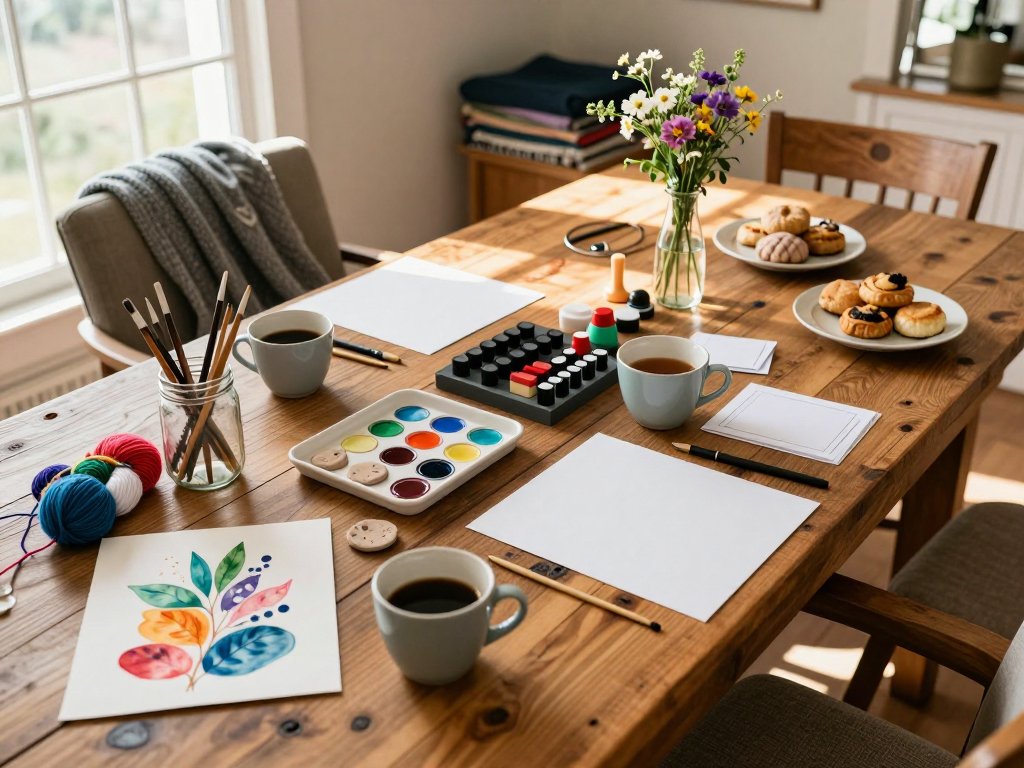
Now imagine sharing that feeling with a handful of your favorite people, spread across a big kitchen table, cups of tea steaming nearby, a playlist humming in the background, and an entire weekend ahead of you with nowhere else to be.
That, my friend, is a craft retreat. And in 2026, it's having a beautiful moment.
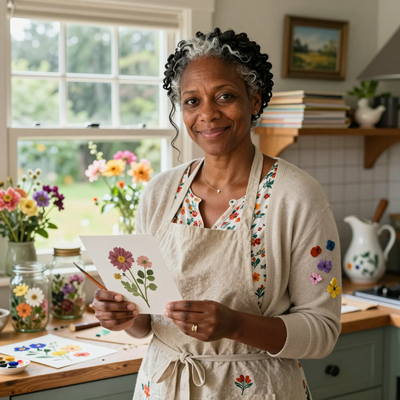
I'm Clara Whitmore, and if we were sitting across from each other right now — me with a mug of something warm and you with your hands on whatever project is calling to you — I'd tell you that planning a creative getaway with friends has been one of the most life-giving things I've done as a busy mom, a creative soul, and someone who often forgets that rest isn't something you earn, but something you take.
This article is my way of sharing everything I've learned about gathering a small group for a weekend of making, laughing, eating, and reconnecting.
Let's dive in.
Why Craft Retreats Are Having Their Moment in 2026
I don't think it's a coincidence that so many of us are craving these kinds of weekends right now.
We've spent years bouncing between screens and schedules, school drop-offs and work deadlines and the endless scroll of notifications.
Our hands have been busy — but not with the kind of making that feeds us.
There's a difference between tapping a keyboard and kneading clay, between swiping through a feed and guiding a needle through fabric.
Craft retreats answer a hunger we didn't always know how to name: the hunger to make something real, in real time, with real people. No algorithm, no metrics, no pressure to post anything unless you want to. Just you, your hands, your friends, and the quiet joy of creating together.
What I love most about this trend is how accessible it is. A craft retreat doesn't have to be an Insta-worthy event with matching aprons.
It can be three friends around a dining table with a roll of butcher paper and a bag of yarn.
The magic isn't in the production value — it's in the laughter when someone's glue gun gets a mind of its own, and the genuine delight when someone holds up their finished piece and says, "I actually made this." If you've been feeling that little tug toward something slower, something hands-on, something shared — this is your sign to follow it.
Choosing Your Location: Finding the Right Space for Creating Together
One of the first questions you'll face — and one of the most fun to solve — is where to host this weekend. The space you choose sets the tone, and there's a perfect option for every budget and group size.
The Airbnb with a Big Kitchen Table. This is my personal favorite for groups of four to eight.
Being in a space that isn't anyone's home — no laundry staring at you, no mental list of chores whispering in your ear — frees you up to fully settle into creative mode.
Look for listings with a large dining or kitchen table (seating six or more), good natural light, and a comfortable living area.
Bonus points for a porch or backyard for morning coffee. Split four ways, even a moderately priced weekend rental becomes quite affordable.
The Cabin Getaway. If your group leans more rustic, a cabin or lake house can be pure magic.
Being surrounded by trees or water quiets the mind and opens creative space. Just be realistic: make sure the lighting works for detailed work and confirm there's enough table space.
Cabins work beautifully for groups of six to ten, especially if some want to take a walk or sit by the fire while others keep crafting.
The Friend's Large Living Room. One of the best retreats I ever attended was in my friend Maggie's living room.
She pushed the coffee table aside, set up two folding tables from her church, and draped them with vinyl tablecloths.
It was cozy, low-pressure, and nobody had to pack a suitcase. If someone in your group is willing to host, that's a generous gift — just make sure the rest of you are covering meals and supplies to say thank you.
And please, offer to help clean up on Sunday afternoon.
Whichever option you choose, the golden rule is this: a big table is the heart of a craft retreat. It's where projects spread out, snacks get passed, and conversations weave in and out like the threads in your hands.
Planning the Craft Lineup: Three to Four Projects for Every Level
You don't need a packed itinerary. What you need is a thoughtful selection of projects that give everyone — from total beginner to seasoned maker — something to enjoy.
One Quick-Win Project (30-60 minutes). This is the warm-up. Something simple enough that even someone who "doesn't craft" can finish it before lunch on Saturday and feel that little rush of accomplishment.
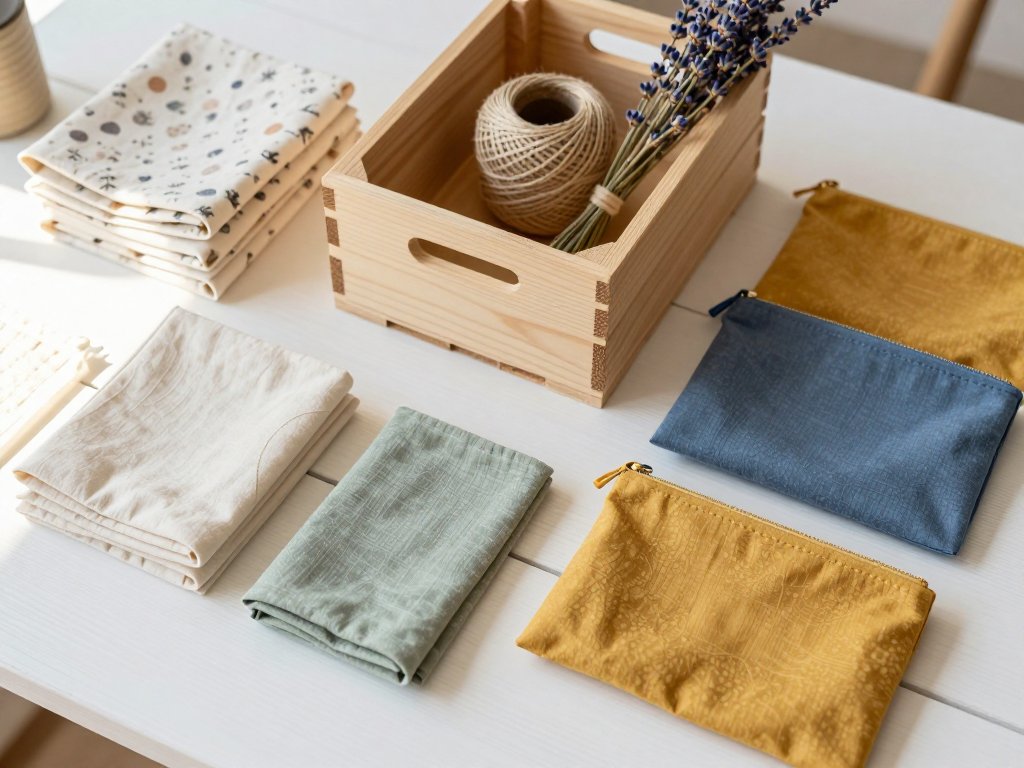
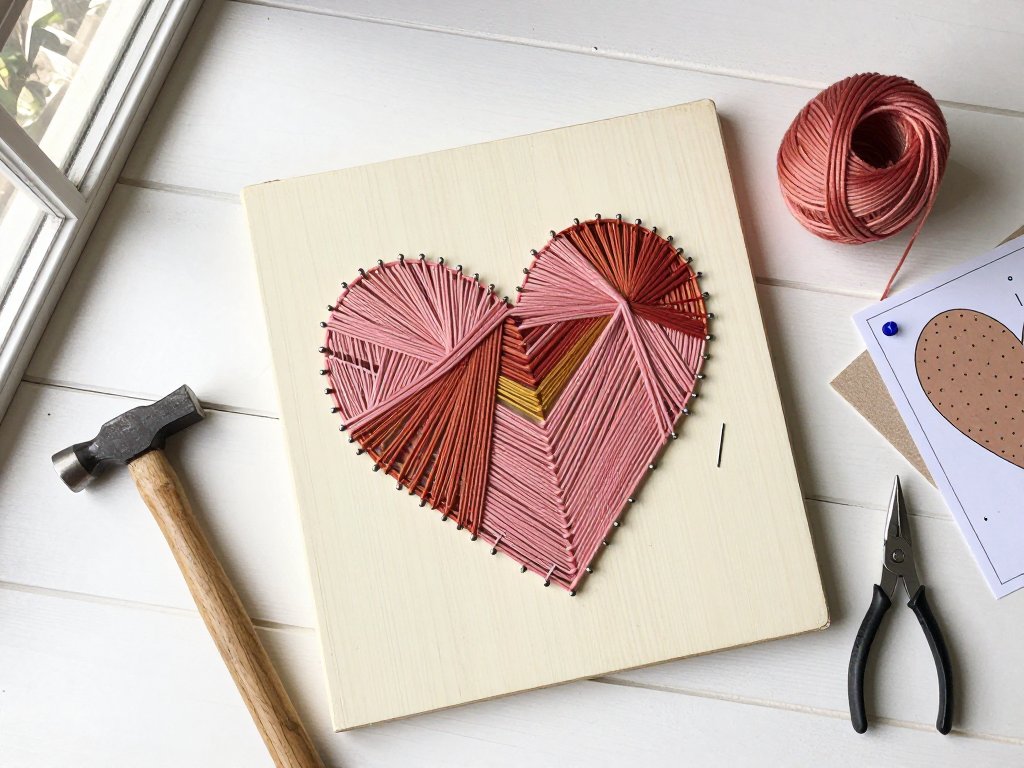
Think painted wooden magnets, simple macramé keychains, hand-stamped bookmarks, or no-sew fabric coasters. These projects build confidence and set a relaxed tone.
Pure play, no pressure.
One Substantial Project (Half-Day). This is the anchor — something people can sink into during the afternoon lull or after dinner.
Choose something that can be picked up and put down easily. Good options: a simple tote bag with fabric paint or stencils, a small embroidery hoop project, a beginner-friendly knitting or crochet square, or a paint-by-number canvas that everyone works on individually.
If someone finishes early, they can help a friend. If someone doesn't finish, that's fine — projects can go home.
One Take-Home Project (Something They'll Actually Use). I love including at least one project that yields a practical result — a hand-painted mug, beeswax wraps, a small woven wall hanging, or a simple soy candle in a thrifted teacup.
These are the projects that, weeks later, make your friends smile every time they use them.
"Oh, I made this at the retreat." There's something so precious about that.
Optional: One Collaborative Project. If your group is feeling ambitious, a shared piece — like a painted canvas or a blessing banner where everyone adds their own touch — can be a beautiful keepsake. Not for every group, but when it clicks, it's magical.
Resist the urge to over-schedule. Leave generous pockets of unscheduled time for naps, walks, or simply watching others work. The best conversations often happen in those unplanned moments.
Meal Planning for a Low-Stress Weekend
Let me be honest: the first retreat I hosted, I tried to make everything from scratch. I had a three-ring binder of recipes. I was up at 6 AM sautéing mushrooms. By noon on Saturday I was exhausted and my creative energy was gone. Here's my low-stress approach instead.
The Potluck Approach. Before the retreat, create a shared document where everyone signs up for one meal or snack contribution.
One person brings Friday dinner (chili or sheet-pan nachos). Another brings Saturday breakfast (an assemble-ahead casserole is perfect).
Someone handles Saturday lunch (sandwich fixings and a big salad). Saturday dinner could be a taco bar or make-your-own pizzas.
The rule: no dish should require more than 20 minutes of active preparation at the retreat site.
The Snack Station. Non-negotiable. Set up a dedicated table with easy grab-and-go options: trail mix, fresh fruit, cheese and crackers, veggie sticks with dip, dark chocolate squares, popcorn.
Put out mugs and a variety of teas, a coffee setup, and maybe a pitcher of infused water.
When people are deep in a project, they shouldn't have to stop everything to prepare a snack.
Make-Ahead Breakfasts. Overnight oats, pre-baked muffin tins, and a strata that goes into the oven while everyone shuffles toward the coffee pot are your best friends. Nobody wants to stand at the stove flipping pancakes when they could be sitting at the table with yarn in their hands.
Don't Forget Drinks. Beyond coffee and tea, consider a pitcher of lemonade or iced tea for Saturday afternoon. Maybe a bottle of wine or local cider for those who'd like something in the evening. And plenty of water — creating is thirsty work.
The goal is to nourish without dominating. You didn't gather your friends to spend the weekend in the kitchen.
Budgeting and Cost Splitting
Money conversations can feel awkward, but being upfront and organized about costs reduces stress for everyone. Start by identifying the major shared expenses: lodging, shared craft supplies, group meals. Then decide how you'll split them before the weekend begins.
For lodging, an even split by person is simplest. If some people have private rooms while others share beds, adjust accordingly — just talk it through openly.
For craft supplies, have one person purchase everything and divide the total equally, sharing receipts in the group chat.
For meals, the potluck approach naturally distributes costs, but if you're pooling funds, a simple group kitty works — everyone contributes the same amount and one person shops for shared groceries.
If you want to take the guesswork out of budgeting, I created the Craft Budget Calculator over at arttools.com.
Plug in your group size and anticipated costs for supplies, lodging, and meals, and it gives you a clear per-person breakdown in about three minutes.
It has saved my retreat planning more times than I can count. A few other money-saving tips: check your local library for craft books, shop your own stash before buying supplies, and use coupons or sales at craft stores.
A retreat doesn't have to be expensive to be meaningful.
Setting the Mood: Creating a Space That Invites Creativity
My grandmother once told me, "You can't force creativity, Clara. But you can set the table for it and trust it will show up." I've carried that with me ever since. Here are the small things that make a big difference.
Music. Try making a collaborative playlist beforehand and invite everyone to add a few songs.
It becomes a lovely time capsule of the group's taste. During focused crafting, aim for instrumental or acoustic music — folk, ambient, jazz, or lo-fi beats keep the energy calm without competing with conversation.
In the evening, shift to something warmer and cozier.
Lighting. Harsh overhead lights are the enemy of cozy creativity. Bring floor lamps, string lights, or clip-on reading lights for individual workspaces.
Orient your main crafting area near the biggest windows during the day. In the evening, battery-operated candles and warm fairy lights create that soft glow that makes everyone want to stay a little longer.
Comfortable Seating. You'll be spending hours in one spot, so comfort matters. Encourage people to bring seat cushions if the main table has hard chairs. Set up a few cozy chairs or floor cushions nearby for those who want to step away from the table for a bit.
The Coffee and Tea Station. Set up a dedicated beverage station — close enough to refill easily but away from the crafting area to protect projects from spills.
Good coffee, a variety of teas, maybe some hot chocolate for the evenings. A kettle that stays hot all day is worth its weight in gold.
If you can find a few pretty thrifted mugs, that adds a homey touch paper cups can't match.
One more thing: keep the space tidy as you go. Designate spots for finished projects, works-in-progress, and trash. A ten-minute tidy-up at natural breaks keeps the creative energy from turning into chaos.
Packing List Essentials
Sending a packing list ahead of time removes anxiety and ensures nobody shows up without the basics. Here's what I recommend.
For Every Guest:
- Your personal toolkit: scissors, glue, ruler, any specialty tools you prefer
- Any personal project you're working on (optional — some love to bring a WIP, others prefer to start fresh)
- Comfortable layers (temperatures vary and craft spaces get warm with bodies and hot glue guns)
- A cozy sweater or hoodie for evening sessions
- Slippers or thick socks
- A water bottle you love
- A favorite mug
- Any medications, lip balm, and hand lotion (all that washing and handling materials dries out skin)
- A pillow and blanket if you're particular about those
- A headlamp or small reading light for late-night crafting
- An apron or old shirt you don't mind getting glue on
For the Host or Organizer to Provide:
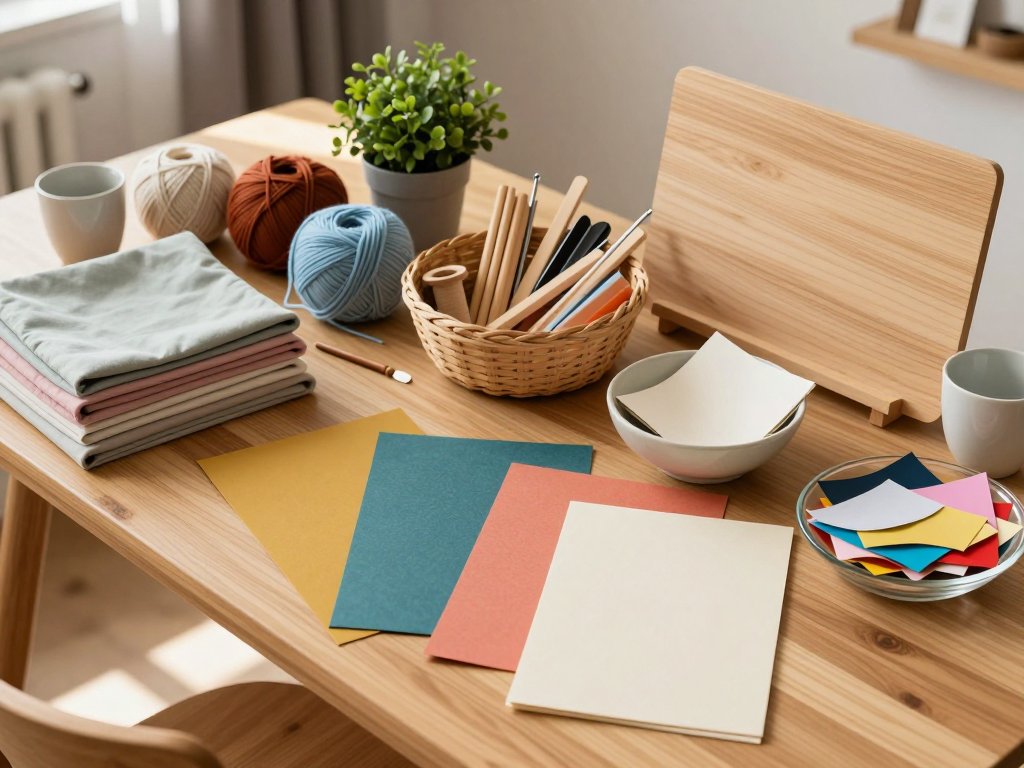
- Shared craft supplies beyond individual toolkits
- Extra scissors, glue guns, and basic tools for anyone who forgets
- A first-aid kit (hot glue burns are real, friends)
- Trash bags and paper towels
- Extension cords and power strips
- The snack station and beverages
- A few extra pillows and cozy throws
I also love inviting each guest to bring one thing to share — a snack, a craft book, a playlist, or a small decoration. It's a sweet way for everyone to feel they're contributing to the atmosphere.
Troubleshooting: Handling Different Levels, Avoiding Burnout, Managing Expectations
Even the most beautifully planned retreat can hit a few bumps. Let me share what I've learned about working through them with grace.
Different Skill Levels. This is the most common concern I hear from readers. The truth is, a craft retreat isn't a competition or a class where everyone produces the same result.
Choose projects with simple, clear instructions and room for personal interpretation. Pair beginners with more experienced friends — teaching is one of the most rewarding parts of crafting.
And remind everyone that the goal is joy, not mastery. A crooked seam is just evidence that a human made it.
Avoiding Burnout. I've seen well-meaning planners cram so many activities into a weekend that everyone goes home more tired than when they arrived.
Build in breaks. Have a quiet hour after lunch. Let Sunday morning be slow and unstructured.
Encourage naps. End formal crafting by early afternoon on Sunday so everyone has time to pack and transition without feeling rushed.
A retreat should leave you replenished, not depleted.
Managing Expectations. This is the heart of it all. So many of us carry invisible pressure — to have a perfect time, to finish every project, to take gorgeous photos, to return home with something Insta-worthy.
I want to gently release you from all of that. The best craft retreats are the ones where things go a little sideways.
Where someone uses fabric glue instead of tacky glue. Where paint colors get mixed into mud.
Where the conversation veers into deep, unexpected territory and everyone stops crafting to just be together.
Those are the moments you'll remember.
Set the intention with your group before you even arrive: "No pressure to finish anything. No pressure to be good at anything. Just come as you are and let's make a mess together." That permission-giving is the most important part of your planning.
Bringing It All Together
I know planning a retreat — even a small, simple one — can feel like a lot.
There are logistics to coordinate, supplies to gather, meals to think about. But here's what I've learned across many retreats, many projects, many cups of tea shared with dear friends: the things that go "wrong" are almost always the things that become your favorite memories.
The weekend you spend with friends around a table, making things with your hands, will refill a well you didn't even realize was running low.
It will remind you that you are more than your to-do list, more than your inbox, more than the roles you play every day.
You are a creator. You are someone who shows up for joy. And you get to share that with people who love you.
So pick a date. Send the text to your people. Start a group chat. Book that Airbnb or clear that dining table.
Choose a few simple projects. Ask everyone to bring their favorite snack. And when the weekend arrives and your friends are gathered around you with scissors and yarn and laughter — let yourself be fully present.
That's the project that matters most.
Happy crafting, friend. I'll see you at the table.
— Clara