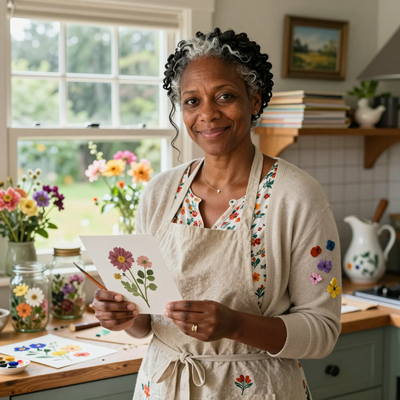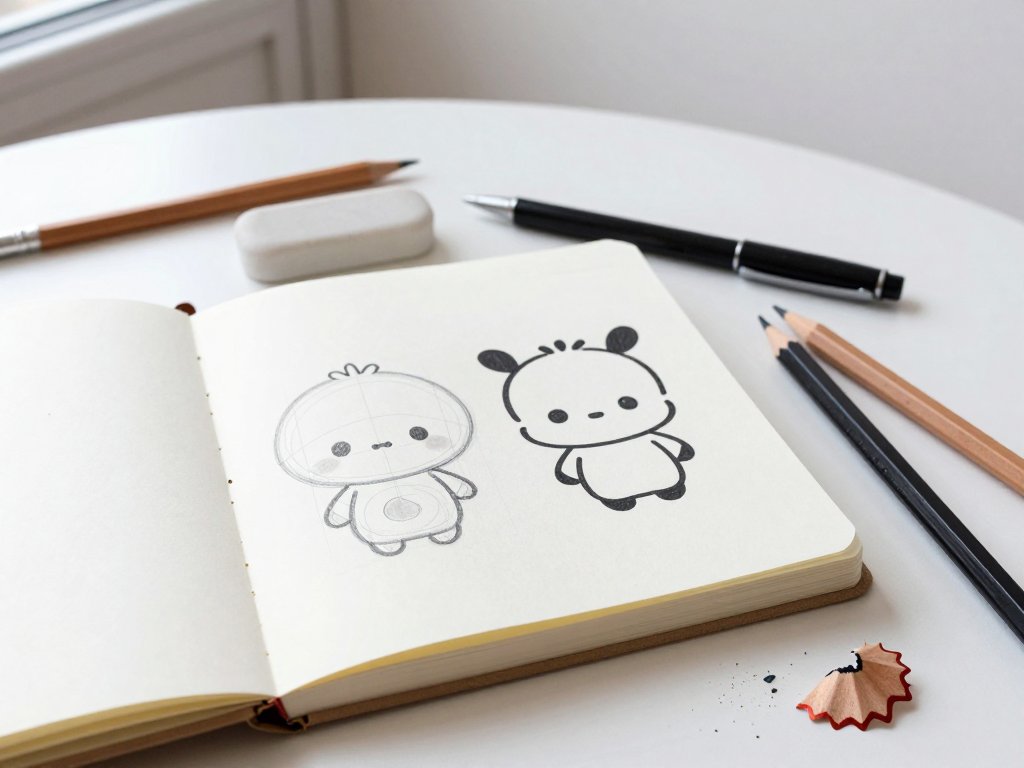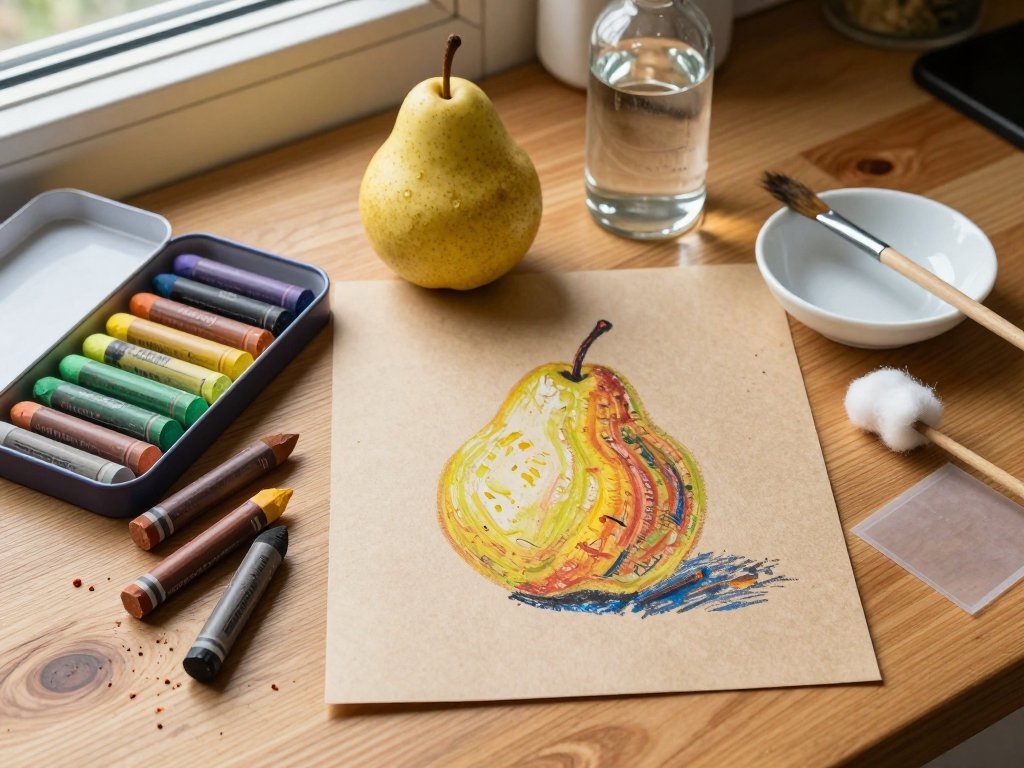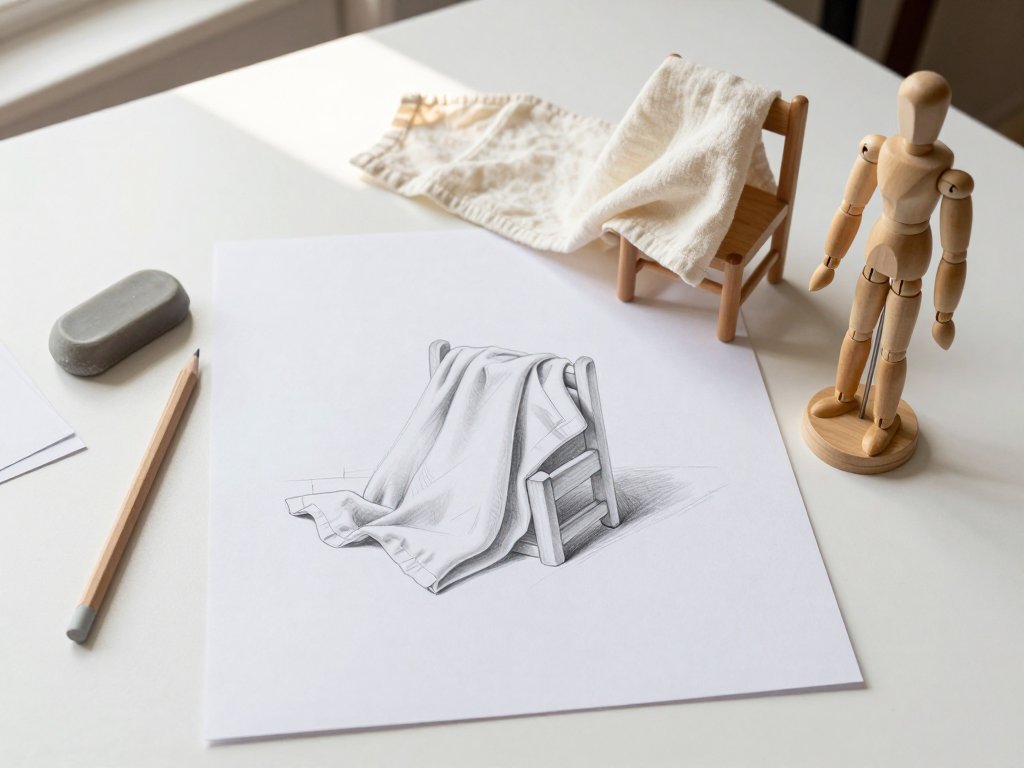
Introduction
Somewhere between the school run and the laundry, it is easy to forget that the world is full of small, beautiful things. A weed pushing through a crack in the sidewalk. The way a maple leaf turns gold at the tip first. A bee moving patiently from flower to flower.
Nature journaling is a gentle way to bring those moments back into focus. It is simply the practice of recording what you see outdoors, with words and pictures, in a notebook you keep for yourself. There is no grade, no deadline, and no wrong way to do it.
If you have always wanted to sketch but felt you "couldn't draw," this is for you. Botanical drawing for beginners is less about talent and more about looking closely, and the watercolor part is even more forgiving. Let us start together, slowly and without pressure.
What You Really Need to Start
Here is the best news about nature journaling: you already own almost everything you need. A journal practice does not require fancy art supplies, and starting with too much gear can actually get in the way.
Here is a simple starter kit:
- A small sketchbook with sturdy paper, about five by eight inches
- A soft pencil, like a 2B, and a good eraser
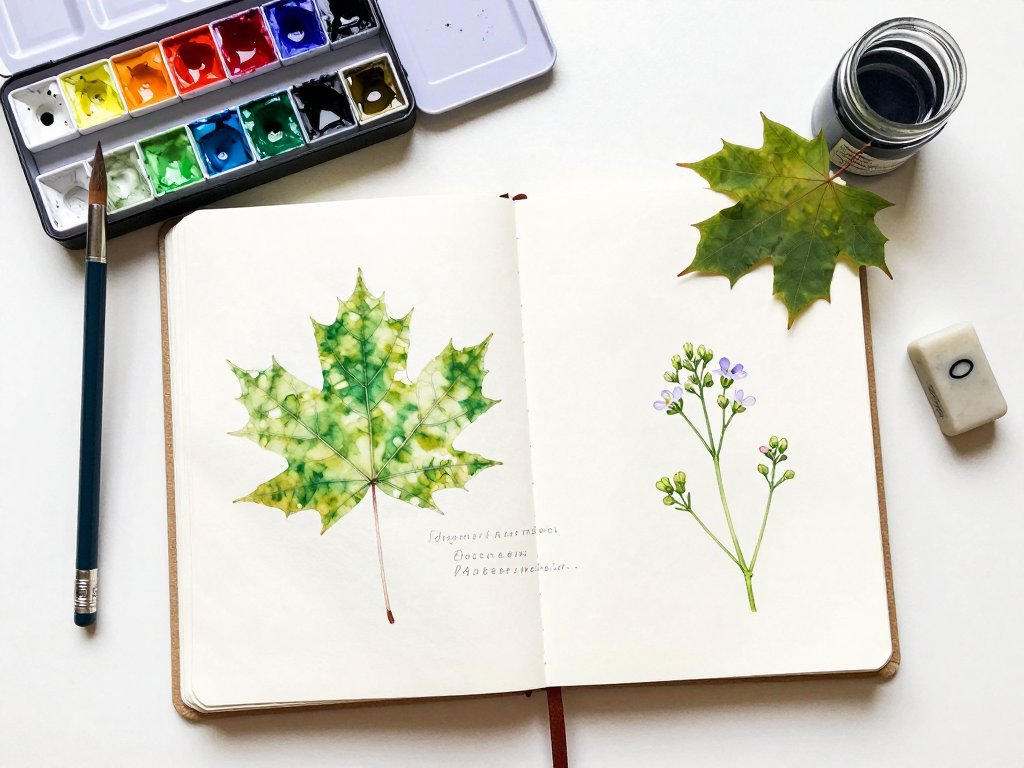
- A pocket-sized watercolor set with a brush
- A small jar or bottle of water
- A paper towel or old cloth for blotting
That is it. If you want to add a fine-tipped pen for outlines later, wonderful, but it is not required on day one.
The whole kit fits in a tote bag, which means you can journal at the park, on the porch, or even at the kitchen table while dinner simmers.
One tip from years of journaling: keep your kit together in a small pouch. When the mood strikes, you grab one thing instead of hunting for five.
Finding Your Spot
You do not need a mountain trail or a botanical garden to start nature journaling. Your own backyard, a balcony with potted plants, or a sunny windowsill is more than enough.
On your first outing, simply wander a little and notice what catches your eye. It might be a dandelion gone to seed, a cluster of berries, a feather, or the bark of an old tree. There is no need to choose something impressive. Choose something interesting to you.
Sit down somewhere comfortable, take a few slow breaths, and give yourself five minutes just to look. Notice the shape, the color, the way light falls across your subject. This quiet looking is the real heart of nature journaling, and the drawing comes after.
If the weather keeps you inside, bring a single leaf or flower to the table. A cutting from the garden, or even a stem of mint from the fridge, makes a perfectly good subject on a rainy day.
You can also journal from a photograph on your phone when you are away from home, sketching the flower you photographed on your walk. The practice matters more than the location, and the memory of the walk comes back with every stroke.
The Art of Slow Looking
Here is a secret that changes everything: drawing is mostly seeing. When we say we cannot draw a flower, what we usually mean is that we have never really looked at one.
Before you put pencil to paper, try describing your subject out loud or in your head. Is the leaf wide or narrow? Are the edges smooth, scalloped, or toothed? Does the stem curve or stand straight? Where does the light hit?
This practice of slow looking has a name in the art world: contour drawing. You draw the edges of an object slowly, letting your eye travel along the shape while your hand follows.
It sounds simple, and it is, but it is also one of the most powerful drawing exercises there is.
Try this: place your pencil on the paper and trace the outline of a leaf without looking at your hand.
Let your eye crawl along the edge, over every bump and notch, while your pencil moves with it.
The result will be wobbly and wonderful, and it will teach your hand to listen to your eyes.
Simple Botanical Drawing Basics
Once you have practiced slow looking, you can begin sketching more deliberately. Start with leaves, because they are flat, forgiving, and everywhere. Here are a few basics that will carry you through almost any botanical subject.
Start with the big shapes. Lightly sketch the overall shape of the leaf before adding any detail. A maple leaf begins as a rough triangle; a rose leaf as an oval. Getting the general shape right matters far more than any inner detail.
Use your pencil as a measuring tool. Hold your pencil at arm's length and use your thumb to mark how tall your subject is. Compare that height to its width, then check your drawing. This simple trick instantly improves proportions.
Look for the center vein first. For most leaves, a single central vein divides the shape. Draw it lightly, then build the leaf around it. The vein gives your eye a map to follow.
Add details in layers. Side veins, gentle curves, and small notches come after the main shape. Keep your pencil light, and do not be afraid to erase and adjust. Erasing is not failure; it is part of the process.
Draw the same thing twice. Your second sketch will almost always be better than your first. That is not a compliment to your talent; it is simply what practice does. If a drawing disappoints you, make another one right next to it.
Adding Watercolor, Gently
When your pencil sketch feels finished, it is time for the watercolor. This is the part that scares people the most, and also the part that brings the most joy. Watercolor for beginners is wonderfully forgiving because water does half the work for you.
Start with a light wash. Dip your brush in clean water, touch it to a color, and test the strength on scrap paper. You want a pale, translucent wash, not a heavy blob of pigment. Paint it gently across the leaf or flower shape.
Work wet on dry. For your first pages, keep it simple: paint on dry paper and let each layer dry before adding the next. This gives you control and avoids muddy colors.
Layer from light to dark. Add a second, slightly stronger wash along one edge of the leaf to suggest shadow. You can always add more color, but it is hard to take it away, so build up slowly.
Embrace the happy accident. Watercolor has a mind of its own. A puddle of pigment may dry into a lovely soft edge that looks exactly like a real leaf's shadow. Let the paint surprise you, and do not fight it.
Stop while you are ahead. The most common beginner mistake is overworking a page. Two or three gentle washes usually say everything you need. When the page looks fresh and light, put the brush down.
Know how to fix a wobble. If a wash goes where you did not want it, blot it quickly with a paper towel while it is still wet.
Once it dries, you can lift some color with a damp brush, or simply let it be.
In nature journaling, small imperfections read as charm, not error. The real leaves wobble too.
Simple Subjects to Start With
If you are wondering what to draw first, choose subjects with simple, clear shapes. Leaves are the friendliest place to begin because they lie flat and hold still. Look for single leaves with strong outlines: oak, maple, ivy, or a simple blade of grass.
Flowers are a little more ambitious, but choose ones with open, cup-shaped blooms rather than fussy clusters.
A daisy, a tulip, or a single rosebud teaches you more than a complicated bouquet.
Fruit and vegetables from the kitchen also make wonderful subjects; an apple, a pepper, or a sprig of herbs has beautiful color and interesting texture.
As your confidence grows, try feathers, seed pods, pinecones, and stones. Each new subject stretches your looking in a slightly different way, and each one is a small victory worth recording.
Your First Nature Journal Pages
Ready to make your first entry? Here is a simple formula that works for every level, and it will give you pages you are happy to look back on.
Write the details first. At the top of the page, note the date, the time, the weather, and where you are. "August 3, morning, warm and breezy, back porch" takes ten seconds and makes each page a little time capsule.
Draw one thing. Pick a single leaf, flower, or feather. Sketch it with your pencil, using the basics we practiced. Keep it small, about the size of your palm, so it feels manageable.
Add a gentle wash. Color your sketch with one or two light watercolor washes. Match the real colors as best you can, but do not worry if they wander.
Write a small note. In a sentence or two, record anything you noticed: "The hydrangea is just starting to turn pink," or "Found this feather under the oak tree." Your own words make the page yours.
That is a complete nature journal entry. It takes about fifteen minutes, and it leaves you with a small record of a day you might otherwise have forgotten.
Building the Habit Without Pressure
The hardest part of nature journaling is not the drawing. It is the keeping up.
Life is full, and it is easy to let a week slip by, then a month.
Here is how to build the habit gently, the way we build most good things: a little at a time.
Start smaller than you think you should. Five minutes once a week is a real practice. If you aim for an hour a day, you will quit by Thursday. Five minutes a week becomes ten, and ten becomes a lovely rhythm.
Keep the journal visible. Leave your sketchbook and pencil case on the kitchen counter or the coffee table. What you see, you use.
Journal with the seasons. Make a list of what you hope to see each season: the first crocus, the first fallen leaf, the first snowflake. A waiting list keeps you curious all year long.
Invite the family. Kids love nature journaling, and they are often braver with a pencil than we are. A shared page, with your sketch next to your child's, becomes a treasure. You are teaching them to look closely too, and that is a gift that lasts.
Forgive the gaps. If you miss two weeks, you have not failed. You have just taken a break. Open the journal, note the date, and begin again. The pages do not mind.
What Your Journal Will Give Back
Here is what surprises most new nature journalers: the pages become more than drawings. They become a record of your attention, a place where the ordinary world gets noticed and kept.
Months from now, you will flip through and remember a particular morning, a particular light, a particular bee. You will see how your leaves got braver, how your washes got softer, how your looking got kinder. That progress is yours, and nobody else has to see it.
You may also find that the journal changes how you walk through the world. Once you start noticing, you cannot stop. The cracked sidewalk becomes a garden; the parking lot becomes a sky show. It is a lovely way to live.
Final Thoughts
Nature journaling asks very little of you: a small notebook, a pencil, a bit of water, and a few minutes of attention. In return, it offers calm, curiosity, and a quiet record of the world around you.
This week, take your kit outside for five minutes. Draw one leaf. Add a wash of color. Write the date. Then tuck your journal away and smile at what you made.
You do not need to be an artist. You only need to look, and to keep the page. Happy journaling, friend. Your first leaf is waiting.