Introduction
You have probably thought about it while finishing a project you were proud of. Someone would pay for this, would not they? The answer is yes — if you know what people are actually looking for.
The handmade marketplace has grown enormously over the past few years. Etsy alone reported over ninety million active buyers in 2025, and platforms like Amazon Handmade, Instagram Shops, and local craft fairs continue to expand. The demand for handmade, unique items has never been higher.
But here is the challenge most makers face: you can make beautiful things, but will they sell? I have researched the bestselling categories across multiple platforms, talked to successful craft sellers, and tested several of these ideas myself. The list below focuses on projects that meet three criteria — low startup cost, high perceived value, and strong repeat purchase potential.
Whether you are looking to earn extra money for holiday gifts or build a full-time craft business, these 35 ideas will give you a running start.
Home Decor Crafts (High Margin, Strong Demand)
1. Resin Coasters and Trivets
Resin coasters are one of the highest-margin craft items you can make. A set of four coasters costs roughly eight dollars in materials and sells for thirty to fifty dollars. The technique is surprisingly beginner-friendly: mix epoxy resin, pour into silicone molds, add colorants or dried flowers, and let it cure. A starter kit with molds, resin, and pigments costs about forty dollars and will produce your first ten sets.
2. Pressed Flower Frames
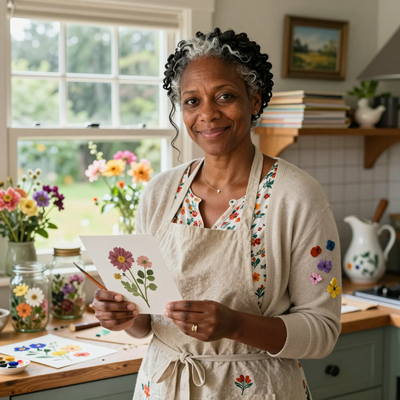
Pressed flowers preserved in simple glass frames sell for twenty to forty-five dollars each. The flowers can be gathered from your garden or bought in bulk online. Press them between heavy books for a week, arrange them in a frame, and seal with UV-protective glass. These are especially popular as wedding gifts and sympathy pieces.
3. Macrame Wall Hangings
Macrame requires only cotton cord and a dowel or ring. A small wall hanging takes about two hours and costs under five dollars in materials. Selling price ranges from twenty-five to sixty dollars depending on size and complexity. The neutral, boho aesthetic has remained popular for years and shows no signs of fading.
4. Poured Candle Vessels
Unique ceramic or concrete vessels filled with soy wax and essential oils sell for eighteen to thirty-five dollars. You do not need to make the vessels yourself — buy plain vessels wholesale and focus on the candle making. Use the Candle Wax Calculator to figure out exactly how much wax you need per vessel, so you never waste material on test batches.
5. Fabric Wall Banners
Sewn or iron-on banners with inspirational quotes sell consistently on Etsy. Materials cost about twelve dollars per banner, and they sell for thirty to fifty dollars. A basic sewing machine and iron are the only equipment you need.
Jewelry and Accessories (Low Cost, Quick to Make)
6. Polymer Clay Earrings
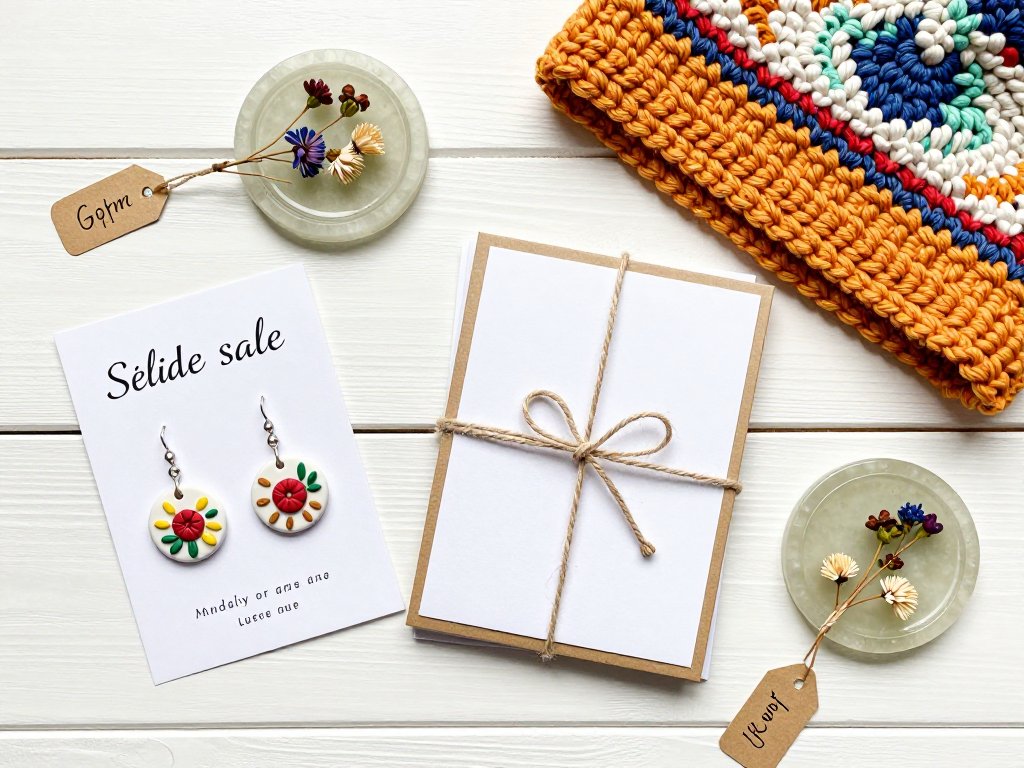
Polymer clay earrings remain one of the most profitable craft categories. A pack of clay costs twelve dollars and makes twenty to thirty pairs. With earring findings at pennies each, your cost per pair is under one dollar. Sell them for twelve to twenty-five dollars per pair. The trend is driven by bold, sculptural shapes that you cannot find in fast fashion stores.
7. Beaded Crystal Bracelets
Natural crystal beads strung on elastic cord are inexpensive to produce and sell for fifteen to thirty dollars. The appeal is both aesthetic and wellness-oriented. Focus on popular crystals like amethyst, rose quartz, citrine, and black tourmaline.
8. Embroidered Denim Jackets
Thrifted denim jackets with hand-embroidered patches or designs sell for sixty to one hundred fifty dollars. The jacket itself costs ten to fifteen dollars at a thrift store. Embroidery floss is minimal cost. The key is finding a design style that appeals — floral, celestial, or personalized monograms.
9. Fabric Scrunchie Sets
Sets of three to five fabric scrunchies in coordinating patterns sell for fifteen to twenty-five dollars. Material cost is under two dollars per set. They are quick to sew — about fifteen minutes per scrunchie — and make excellent add-on purchases.
10. Leather Keychains
Small leather keychains with stamped initials or simple designs sell for ten to twenty dollars. A basic leather stamping kit costs about thirty dollars and the leather per keychain is under two dollars. These are popular personalized gifts that can be made in batches.
Knitting and Crochet (High Perceived Value)
11. Chunky Knit Blankets
Arm-knit chunky blankets using roving wool are enormously popular on social media. Materials cost about forty dollars per blanket, and they sell for one hundred to two hundred dollars. The technique is simple — you use your arms instead of knitting needles — and a blanket can be completed in one to two hours.
To price your blanket accurately and make sure you are not losing money, use the Yardage Calculator to estimate how much yarn a specific blanket size requires. This prevents buying too little or, worse, overcharging for a piece that cost more to make than you expected.
12. Crochet Beanies
A crochet beanie takes two to three hours and costs about five dollars in yarn. Selling price ranges from twenty to forty dollars. Offer them in multiple sizes and colors to build an inventory that appeals to different tastes.
13. Knit Baby Booties
Baby booties are quick to make, require minimal yarn, and sell for fifteen to thirty dollars per pair. They are popular as baby shower gifts and often purchased in sets of three.
14. Crochet Market Bags
Reusable cotton market bags are eco-friendly, quick to crochet, and sell for fifteen to twenty-five dollars. They cost about four dollars in materials and can be made in any color. The eco-conscious buyer is a growing market.
15. Fingerless Gloves
Fingerless gloves are popular in cooler months and sell for eighteen to thirty dollars. They work up quickly and use minimal yarn, making them ideal for production in batches.
Paper Crafts (Minimal Equipment)
16. Handmade Greeting Cards
A set of five handmade cards with envelopes sells for fifteen to twenty-five dollars. Material cost is about three dollars per set. Cardstock, stamps, and basic tools are your only investment, making this one of the lowest-barrier craft businesses to start.
17. Junk Journals
Junk journals — handmade books made from repurposed papers, envelopes, and ephemera — sell for thirty to sixty dollars each. They are trending heavily in 2026. The materials can be sourced from your own collected papers and inexpensive thrifted books. Each journal takes three to five hours to assemble.
18. Paper Flower Bouquets
Crepe paper flowers arranged into bouquets sell for twenty-five to fifty dollars. Unlike fresh flowers, they never wilt, making them popular for home decor and wedding decorations. A single roll of crepe paper can produce multiple blooms.
19. Custom Stickers
If you can draw or design digitally, custom stickers sell for three to eight dollars per sheet. Print on adhesive paper using a home printer and cut by hand or with a cutting machine. The profit margin is excellent once you have designs ready.
20. Papercut Art
Intricate papercut designs framed in simple hoops or frames sell for twenty to fifty dollars. The technique involves cutting paper with a craft knife to create layered designs. Popular themes include botanical prints, celestial patterns, and personalized family trees.
Painting and Fine Art
21. Small Acrylic Paintings
Small canvases (6x6 to 8x10 inches) with abstract or landscape paintings sell for twenty-five to sixty dollars. Materials cost about five dollars per painting. Abstract pieces sell particularly well because they are approachable and fit a wide range of decor styles.
22. Pet Portraits
Custom pet portraits are a consistent bestseller on Etsy. Charge forty to one hundred dollars depending on size and detail level. The key is building a portfolio of sample pets and streamlining your process.
23. Paint-by-Number Kits
Creating custom paint-by-number kits from customer photos is a growing niche. Sell the printed canvas, numbered paints, and brushes for thirty to fifty dollars per kit. The materials cost about twelve dollars.
Sewing and Textile Crafts
24. Reusable Produce Bags
Mesh or cotton produce bags sell for eight to fifteen dollars each. They are simple to sew and address the growing demand for plastic-free grocery shopping. A set of five bags in different sizes makes a compelling product listing.
25. Quilted Pot Holders
Quilted pot holders using cotton fabric and batting sell for twelve to twenty-five dollars per pair. They use minimal fabric, are quick to sew, and make excellent stocking stuffers. Use festive prints for holiday sales.
26. Tote Bags
Reversible tote bags with colorful patterns sell for twenty to forty-five dollars. Material cost is about eight dollars per bag. They appeal to the eco-conscious shopper and are practical enough for everyday use.
27. Aprons with Pockets
Half-aprons with large pockets sell for twenty-five to forty dollars. Cooks and gardeners both love them. Adding a pocket designed to hold a phone or tablet is a popular upgrade.
Seasonal and Holiday Crafts
28. Christmas Ornaments
Handcrafted Christmas ornaments sell for ten to twenty-five dollars each. Polymer clay, felt, or embroidery hoop ornaments are all popular. The holiday season is the highest-selling period for craft sellers, so plan your inventory by September.
29. Advent Calendars
Fabric or wooden advent calendars with small drawers or pockets sell for thirty to seventy dollars. Fill them with tiny handmade items like mini soaps, candies, or ornaments for an upgraded version.
30. Halloween Decor
Wreaths, garlands, and table centerpieces for Halloween sell well from August through October. Materials can be seasonal-themed and sourced from craft stores at deep discounts after the holiday ends.
Bath and Body
31. Cold Process Soap
Handmade soap sells for six to twelve dollars per bar. A batch of ten bars costs about fifteen dollars in oils and lye. The upfront investment in a stick blender and mold is about fifty dollars. Creative scents and natural colorants set your product apart.
32. Bath Bombs
Bath bombs are inexpensive to make (about one dollar per bomb) and sell for five to eight dollars each. They are popular as gifts and self-care treats. The key to success is creative scent combinations and attractive packaging.
33. Lip Balm Tubes
Homemade lip balm costs about fifty cents per tube to produce and sells for three to five dollars. A starter kit with tubes, oils, and beeswax costs about twenty-five dollars. Offer flavor collections for repeat buyers.
Jewelry Making
34. Wire-Wrapped Crystal Pendants
Wire-wrapped pendants using tumbled crystals sell for twenty to fifty dollars each. The materials cost about five dollars per pendant. Copper or silver-plated wire and a few basic pliers are all you need to start.
35. Friendship Bracelet Kits
DIY friendship bracelet kits with embroidery floss and instructions sell for ten to twenty dollars. They are popular with parents looking for screen-free activities for their kids and with teens making gifts for friends.
Tips for Selling Your Crafts
Making the product is only half the equation. Here are practical tips to turn your hobby into actual income:
- Photograph well. Natural lighting, clean backgrounds, and detail shots make the difference between a scroll-past and a sale. You do not need a professional camera — a phone camera with good window light works beautifully.
- Price for profit. Many beginners underprice their work. A simple formula: materials + labor (at least fifteen dollars per hour) + overhead + 20% margin. Do not forget to include packaging and platform fees.
- Start small. List five to ten products first. See what sells, then expand. It is better to have ten well-made listings than fifty mediocre ones.
- Sell across platforms. Etsy is the biggest marketplace, but Instagram Shops, Facebook Marketplace, and local craft fairs are excellent alternatives with lower fees.
- Batch produce. Making ten of the same item at once is far more efficient than making one at a time. Dedicate one weekend per month to production.
Conclusion
The most profitable craft is not the one with the highest price tag — it is the one you can make consistently, enjoy making, and that meets a real customer need.
Start with one or two ideas from this list that genuinely excite you. Master those products before expanding. Build an inventory, take good photos, and list them on a platform that fits your style.
The handmade economy is growing, and there has never been a better time to turn your creative skills into income. Your first sale might be just one evening of work away.